Old School SVG
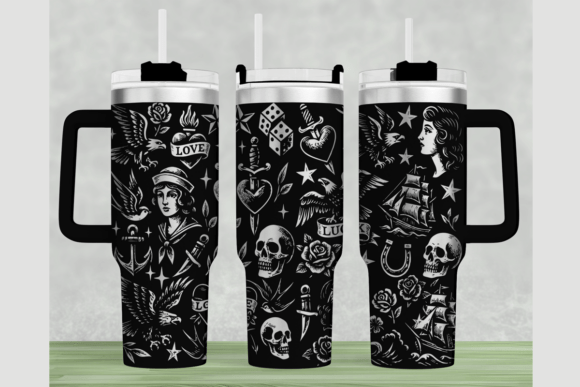
A Designer’s Take on the Tumbler Wrap Laser SVG
As a designer who’s stitched through countless projects, from custom apparel to handmade gifts, I always approach a new embroidery file with curiosity and caution. Old School SVG is one such file that caught my eye for its retro charm and potential for real-world use. But before I dive into a client project or list it on Etsy, I need to evaluate how it performs in practice.
The First Impression: Mood and Visual Personality
Old School SVG immediately evokes a sense of nostalgia. The design features bold lines, clean shapes, and a vintage aesthetic that feels right at home on a 40oz tumbler. It’s not overly detailed, which makes it versatile for different applications. The layout is balanced, with enough negative space to let the design breathe. This simplicity is both a strength and a consideration—while it ensures clarity, it also means the design might lack the intricate texture that some projects demand.
Real-World Use Case: Custom Tote Bag Design
Imagine you’re creating a custom tote bag for a local boutique. You want something that stands out but still feels approachable. Old School SVG could work well here. Its clean lines would translate nicely onto fabric, especially when paired with a contrasting thread color. The design’s symmetry and minimal detail make it ideal for larger surfaces like tote bags, where intricate details can get lost.
However, consider the fabric type. If you’re using a textured or stretchy material, the design might not hold up as well. Textured fabrics can cause the embroidery to look uneven, while stretchy materials may distort the shape over time. In such cases, using a proper stabilizer becomes essential. It’s worth testing the design on scrap fabric first to ensure it looks as good on the final product as it does on your mockup.
Performance in Different Embroidery Projects
Old School SVG is a solid choice for a variety of embroidery projects. It works well on custom apparel, especially sweatshirts and t-shirts, where the design can be centered or placed strategically. For baby items, the simplicity of the design makes it less overwhelming, though the small size of the text might require careful placement.
When it comes to holiday or gift items, the design’s vintage feel adds a nice touch of character. Whether it’s a personalized pillow cover or a tea towel, Old School SVG has the versatility to fit into many categories. However, it’s not the best fit for highly detailed or decorative accents, where more intricate designs would shine.
For commercial embroidery, the design’s simplicity means it can be used across multiple products without losing its identity. That said, it’s important to confirm the licensing terms before selling finished items or digital products. Always check if the file is suitable for commercial use, especially if you plan to offer it as a downloadable asset or sell physical products.
Considerations for Specific Applications
There are a few areas where Old School SVG might require extra care. Small hoop sizes can cause the design to look cramped, so it’s crucial to match the hoop size with the file’s dimensions. Dark fabrics can also reduce the visibility of the design, making it harder to see the contrast between the embroidery and the background. Testing the design in black and white mockups is a great way to spot these issues early.
Additionally, dense stitch areas and tiny lettering might not render perfectly on all machines. If you’re planning to use this design for a patch or an apron, pay close attention to the stitch density and ensure that the machine settings are appropriate. A lower stitch density might help prevent the design from looking too busy or overwhelming.
Design Notes for Embroidery Professionals
As a professional, I always recommend testing any new design on scrap fabric before committing to a client project. This helps identify any potential issues with thread color contrast, stitch density, or overall appearance. For Old School SVG, I’d suggest checking the thread colors against the fabric texture to ensure the design stands out clearly.
Stabilizer choice is also important. Using the right type of stabilizer can make a big difference in how the design looks and lasts. For example, tear-away stabilizers work well for most projects, while cutaway stabilizers are better suited for darker fabrics or denser stitching.
Finally, always review the file format and compatibility. While the product description mentions SVG files, it’s worth confirming whether the file is optimized for embroidery machines and whether it includes all necessary layers or elements. Some files may require additional editing before they’re ready for use.
Conclusion: A Versatile Design for the Right Project
Old School SVG is a practical and nostalgic design that has a lot to offer. Its simplicity makes it adaptable to a wide range of projects, from custom apparel to handmade gifts. However, like any design, it requires thoughtful application. By considering factors like fabric type, hoop size, and stitch density, you can ensure that it performs well in real-world scenarios.
Whether you’re an Etsy seller, a small shop owner, or a hobbyist looking to expand your craft, Old School SVG is worth exploring. Just remember to test it thoroughly, respect the design’s limitations, and use it where it shines brightest. With the right approach, it can become a valuable asset in your embroidery toolkit.